Basement storage ideas that keep things dry and findable
Basements end up as storage whether you plan it or not. Planned storage keeps boxes off a damp floor, leaves the furnace reachable and frees the rest of the room for living. These ideas run from a $40 bin system to built-ins.
1.Turn the space under the stairs into drawers
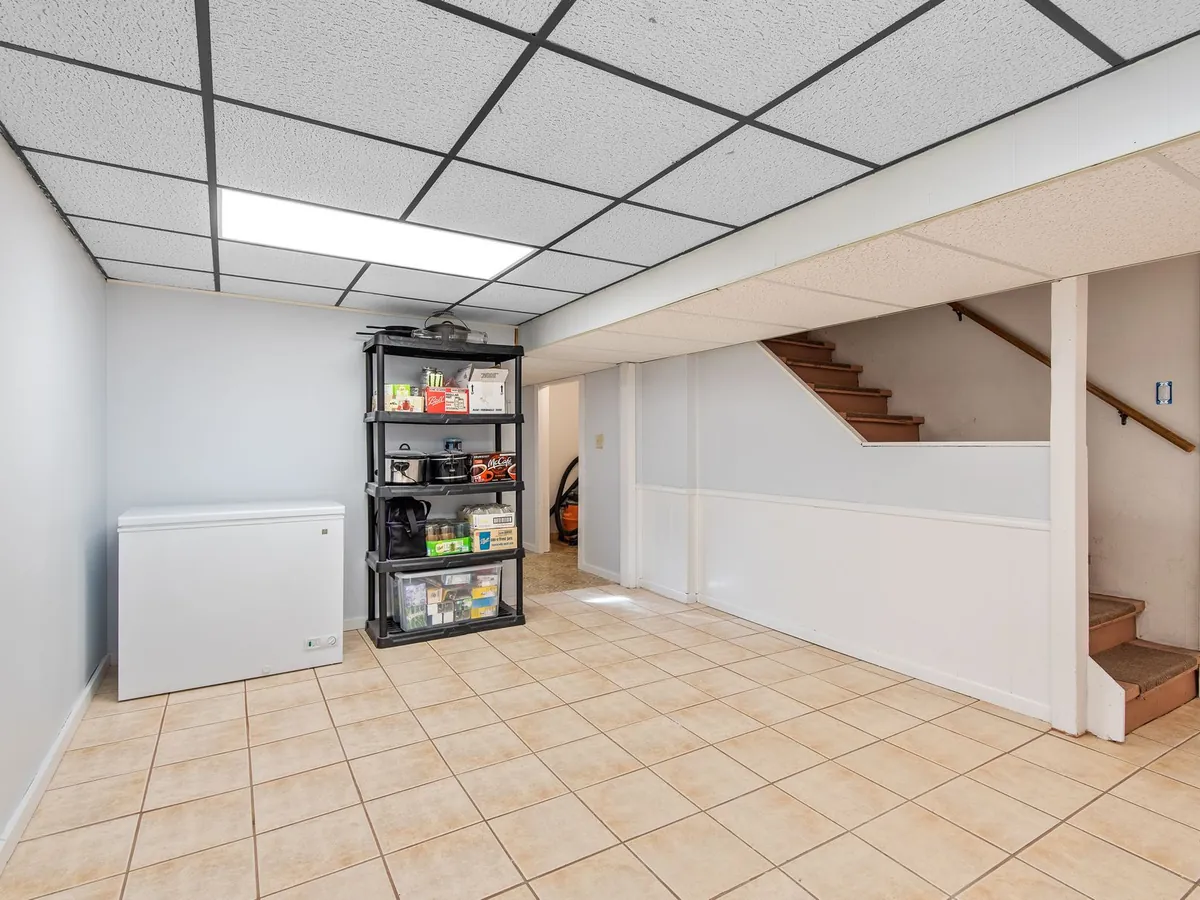
The triangle under the basement stairs is the most wasted space in most houses. Pull-out drawers on heavy-duty full-extension slides, or a simple cabinet with a door, can hold shoes, sports gear or holiday decorations. A custom drawer set runs $1,500 to $4,000; a DIY door and open shelves can come in under $300. Leave a clear path if the space hides a shutoff valve.
2.Frame one dedicated storage room
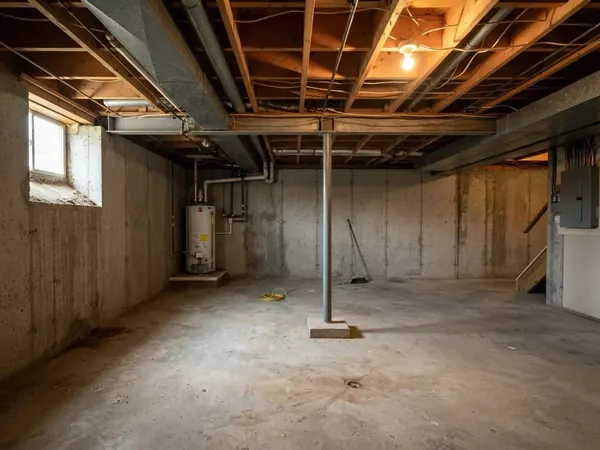
If you are finishing the basement, keep one room unfinished for storage, ideally the one around the mechanical equipment. A 10x12 storage room with a door keeps the rest of the basement clean and lets you skip drywall and flooring where nobody hangs out. Leave about 30 inches clear in front of the furnace and water heater, and 3 feet in front of the electrical panel.
3.Use heavy-duty shelving with the bottom shelf raised
Five-shelf steel units rated for 800 pounds or more cost about $80 to $200 each. Set the lowest shelf at least 4 to 6 inches off the floor so a minor leak never reaches your boxes. Stick to one bin size across every unit; matching bins stack cleanly and make labeling easy.
4.Switch cardboard for clear plastic bins
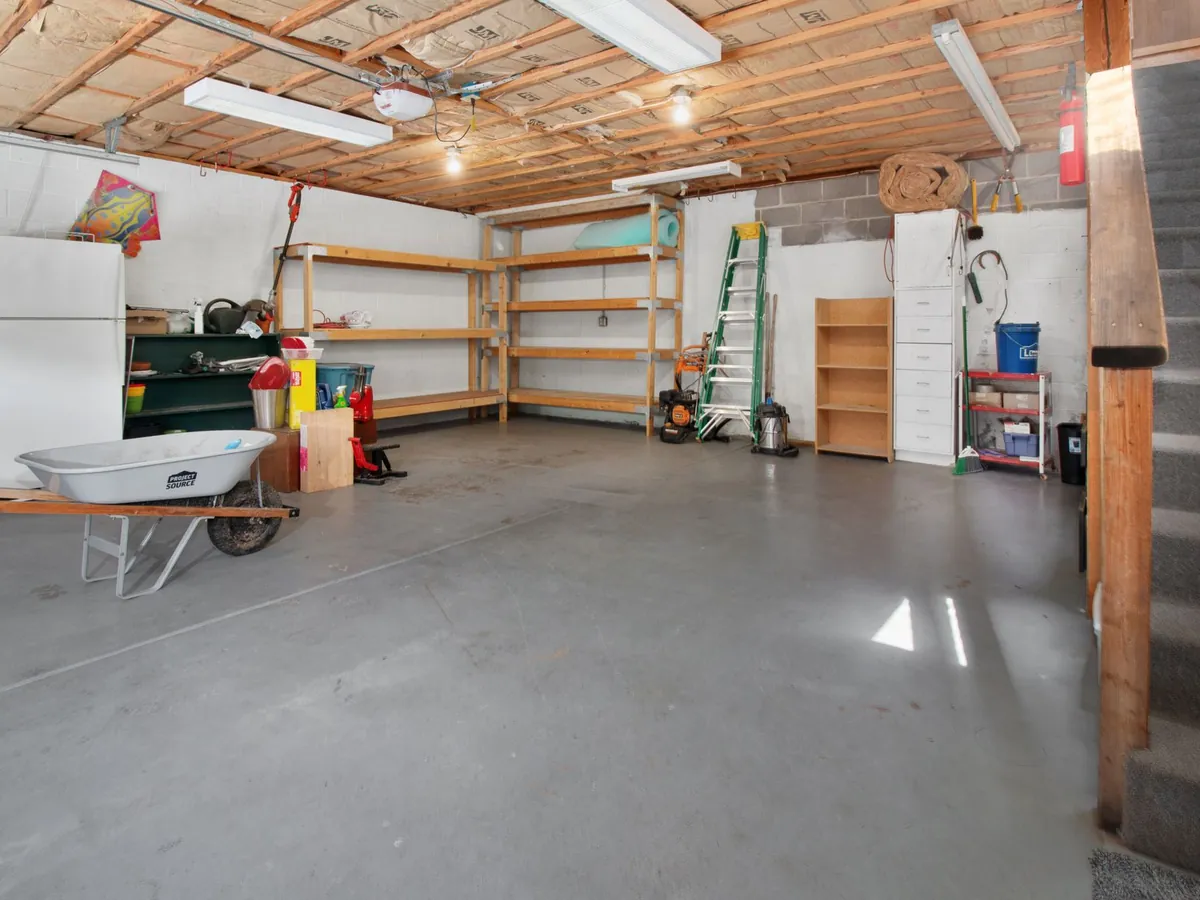
Cardboard soaks up basement humidity, sags and invites pests. Clear, latching plastic bins in one or two sizes let you see what is inside and survive a damp season. Label the short end that faces out. A set of 12 mid-size bins costs about $80 to $150.
5.Mount overhead racks on the joists
Ceiling-mounted storage racks bolt to the joists and hold seasonal items above head height. They work best over a storage room or garage-style workshop where headroom is not needed. A 4x8 rack rated for 400 to 600 pounds runs about $150 to $250. Keep at least 6 feet 8 inches clear underneath, and do not hang them over walkways.
6.Build a wall of closets with sliding doors
In a finished basement, a full wall of closets hides everything behind clean doors. Frame shallow 24-inch-deep closets and use bypass sliding or bifold doors so nothing swings into the room. Expect roughly $300 to $600 per linear foot for framed, finished closets with doors and interior shelving.
7.Add a sports and gear wall
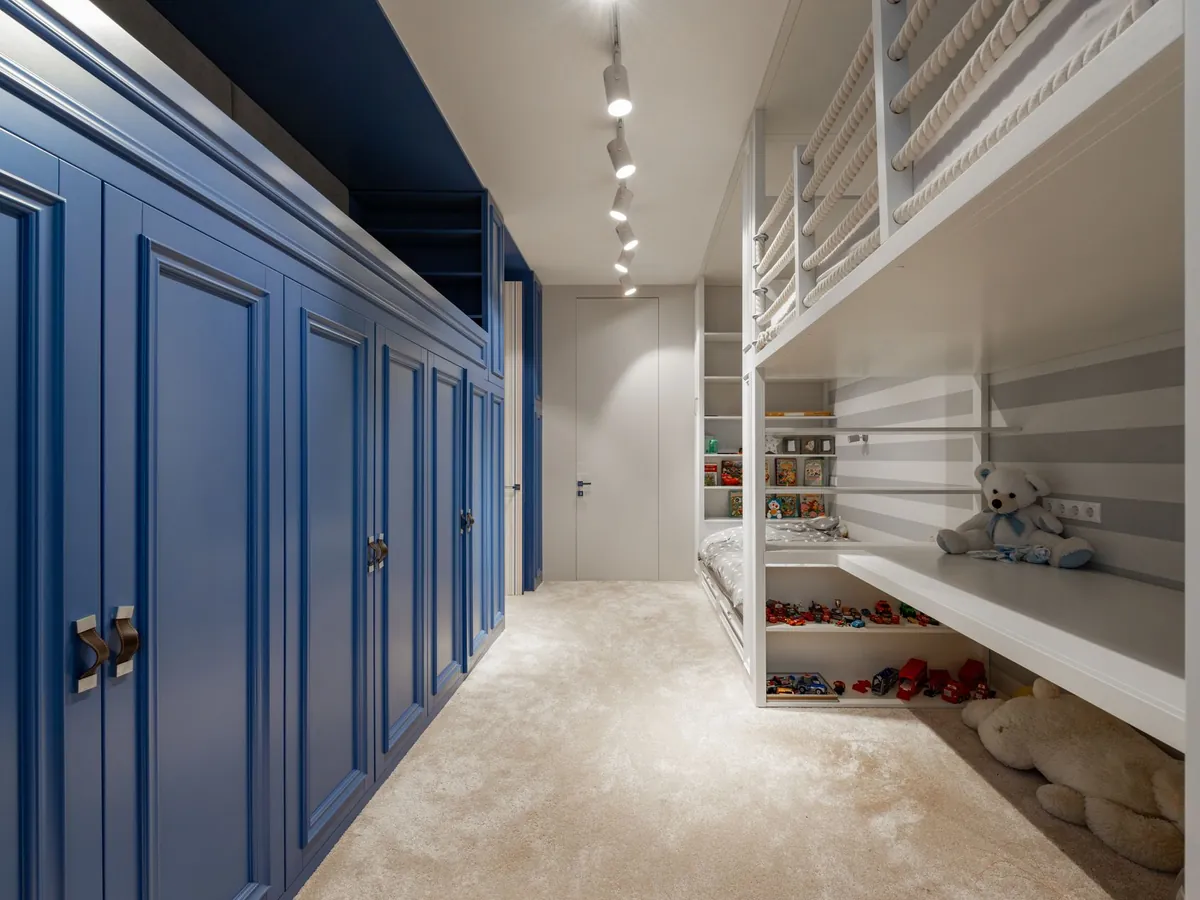
Slatwall panels or a track system with hooks, baskets and ball racks keep bikes, helmets and sports equipment off the floor. A 4x8 slatwall panel costs about $60 to $120 plus accessories. Hang the heaviest gear low, near the door to the yard if you have one, so it is easy to grab.
8.Use the space between the studs
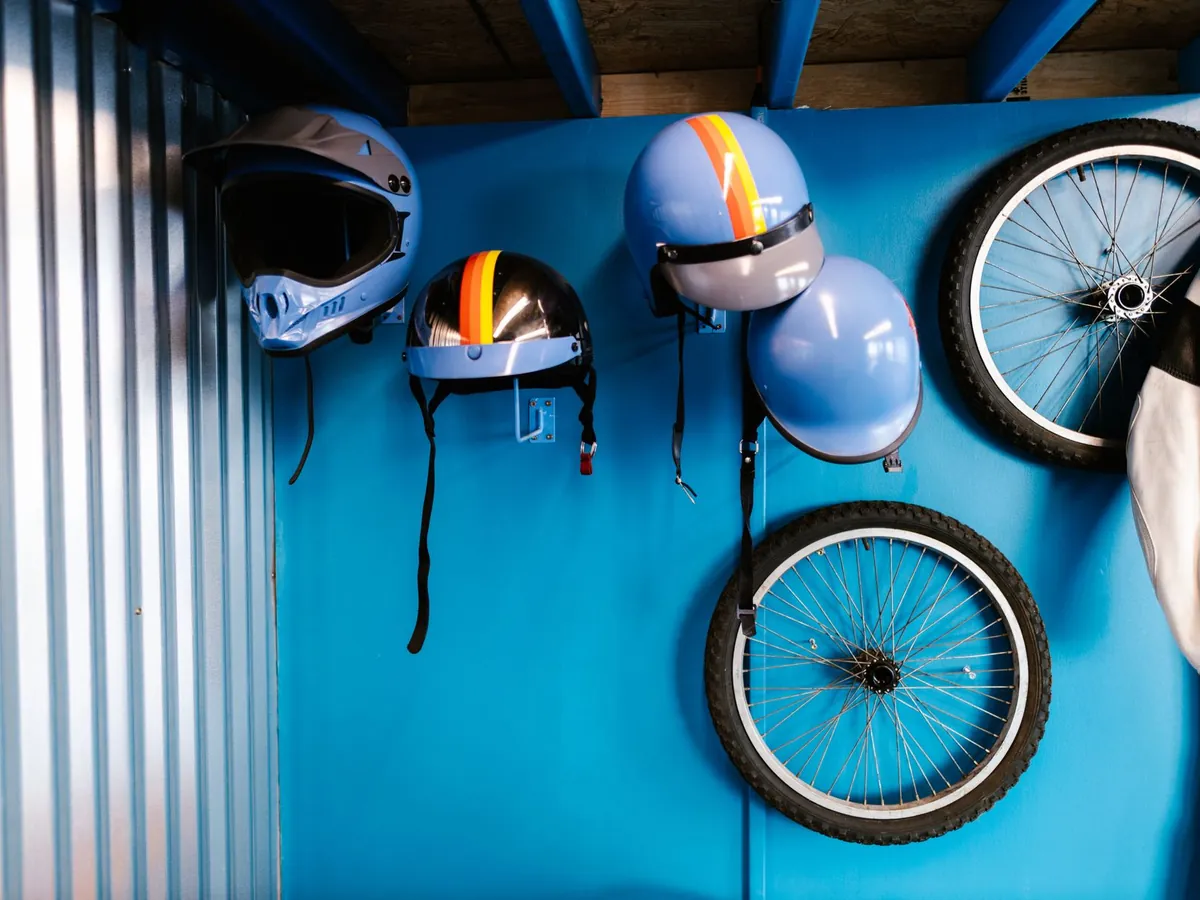
In unfinished walls, shallow shelves between the studs hold cans, paint and cleaning supplies without taking floor space. In finished walls, a recessed niche does the same thing. A 2x4 wall gives you about 3.5 inches of depth, enough for most canned goods and spray bottles.
9.Keep food and paint in the right place
Basements are good for a pantry overflow because they stay cool, but keep food sealed, off the floor and away from the furnace. Store paint above freezing and away from the water heater's flame; latex paint spoils if it freezes. Store chemicals in a locked cabinet if kids use the basement.
10.Label everything and keep a simple map
Storage only works if you can find things. Label each bin with its contents and number each shelf unit, then keep a note on your phone with what lives where. It takes an afternoon and saves the yearly search through 20 boxes for the holiday lights.
Frequently asked questions
What is the best way to store things in a basement?
Use clear plastic latching bins on heavy-duty shelving with the bottom shelf 4 to 6 inches off the floor, run a dehumidifier around 50 percent humidity and keep cardboard out of the basement.
Is it safe to store things in a basement?
Yes, if the basement stays dry and you keep stored items about 30 inches from the furnace and water heater and 3 feet clear in front of the electrical panel. Avoid storing documents, photos or electronics directly on the floor.
How do I use the space under basement stairs?
Pull-out drawers on full-extension slides, a small closet with a door or open shelving all work. Keep access to any valves or cleanouts that sit under the stairs.
Should I keep part of the basement unfinished for storage?
It is a common and smart choice. Leaving the mechanical room and one adjoining room unfinished saves money and gives you a dedicated storage area that keeps the finished rooms clear.
More basement ideas
Not sure which idea fits your basement? Preview a few in the Basement Design app before you buy materials.