Basement wall ideas for concrete and drywall
Basement walls start colder and damper than any other wall in the house, so the finish matters less than what goes behind it. These ten ideas start with insulation, then move through the finishes that hold up below grade.
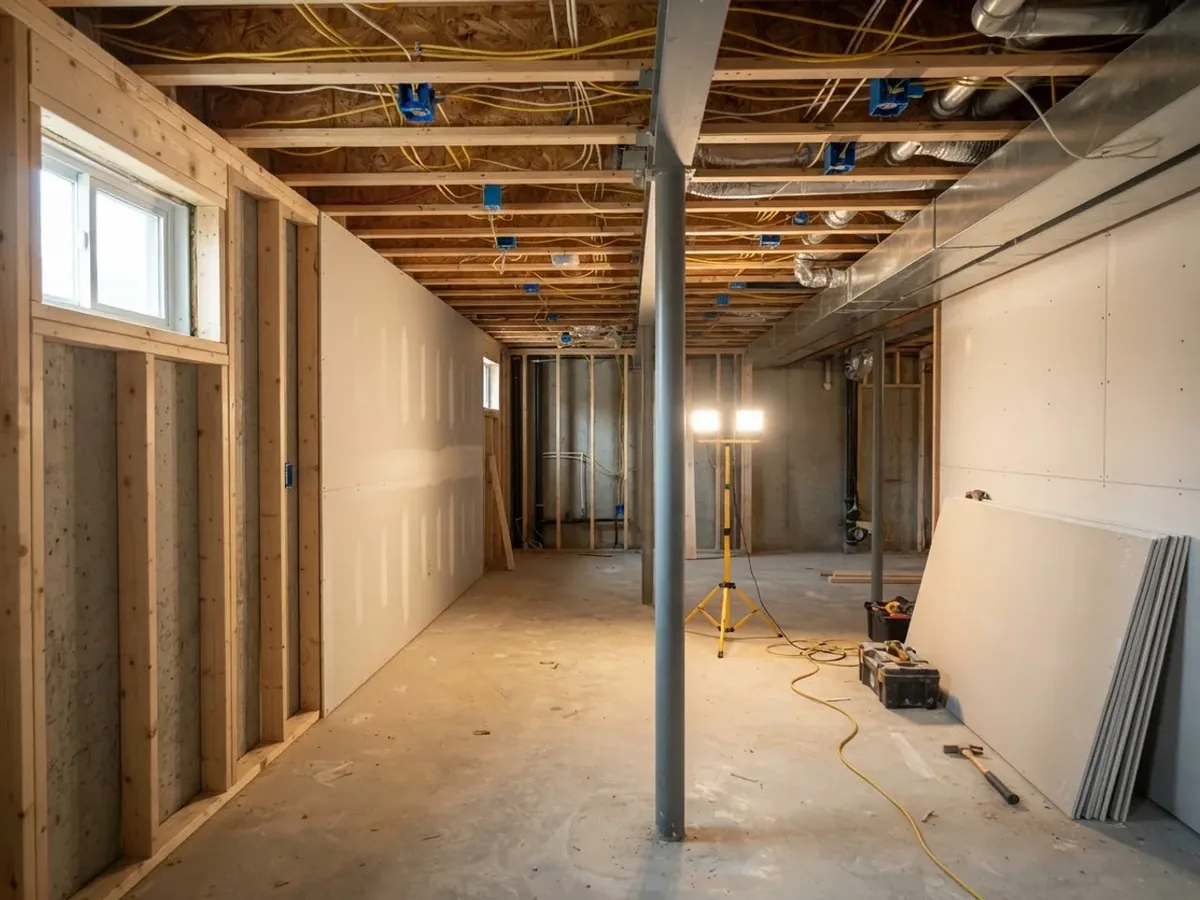
1.Insulate with rigid foam against the concrete
Before any finish, glue rigid foam board (XPS or foil-faced polyiso) directly to the foundation and tape the seams. It blocks moisture from condensing inside the wall, which is what causes moldy basement drywall. Then frame a 2x4 wall in front and add batt insulation if your climate needs more R-value. Two inches of foam runs about $1 to $2 per sq ft in materials.
2.Use mold-resistant drywall on the framing
Paperless or mold-resistant drywall costs only a little more than standard board and gives you a cheap insurance policy below grade. Keep the bottom edge about half an inch off the slab so it never wicks water. Finished drywall walls run about $2.50 to $4 per sq ft installed, including tape and paint.
3.Paint concrete or block walls in an unfinished room
In a storage room or gym, masonry paint over clean concrete or block walls is all you need. Use a waterproofing masonry paint for minor dampness and a light color to brighten the space. It costs well under $1 per sq ft in materials, but it will not stop active leaks; fix those from the outside or with interior drainage first.
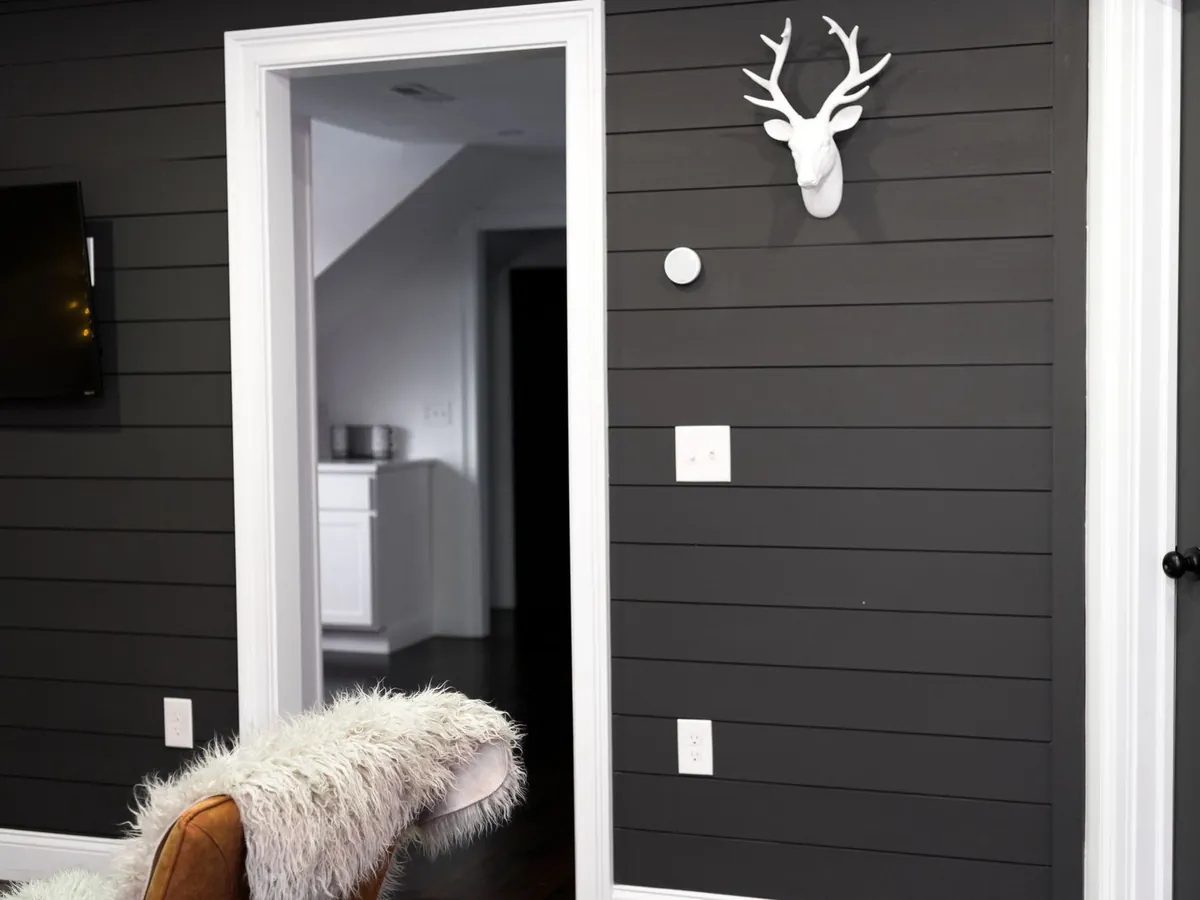
4.Add a shiplap or board-and-batten wall
Shiplap brings cottage or farmhouse warmth to one wall, and board-and-batten gives a crisp, tailored look. Primed MDF shiplap runs about $2 to $4 per sq ft in materials; real pine costs more but takes stain. In basements, prime and paint both sides of MDF and keep it off the floor to avoid swelling.
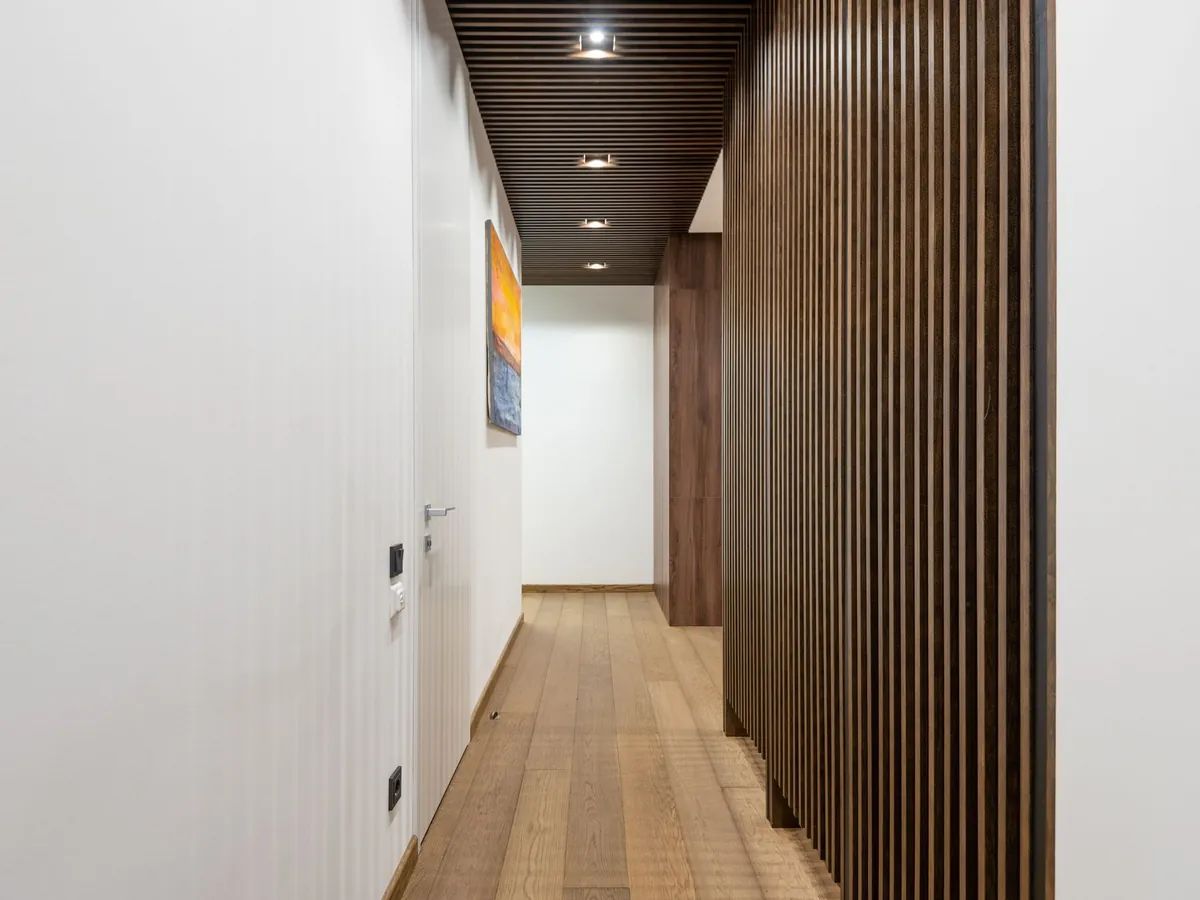
5.Try a wood slat accent wall
Vertical slats on black felt backing are popular in media rooms and lounges because they warm up the space and soak up echo. Use them on one wall, usually behind the TV or the sofa. Prefinished acoustic slat panels run about $15 to $30 per sq ft, so most people use them on a single feature wall.
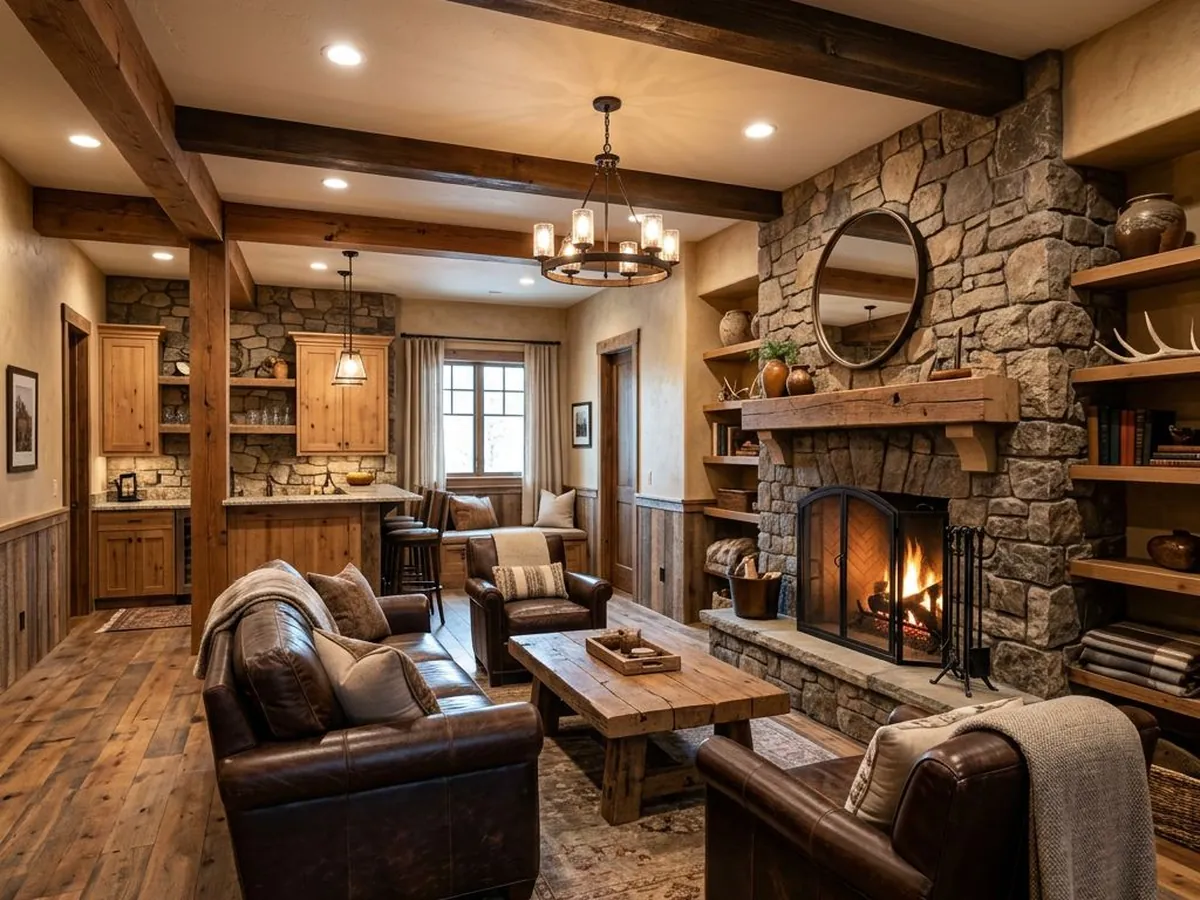
6.Use stone or brick veneer around a fireplace
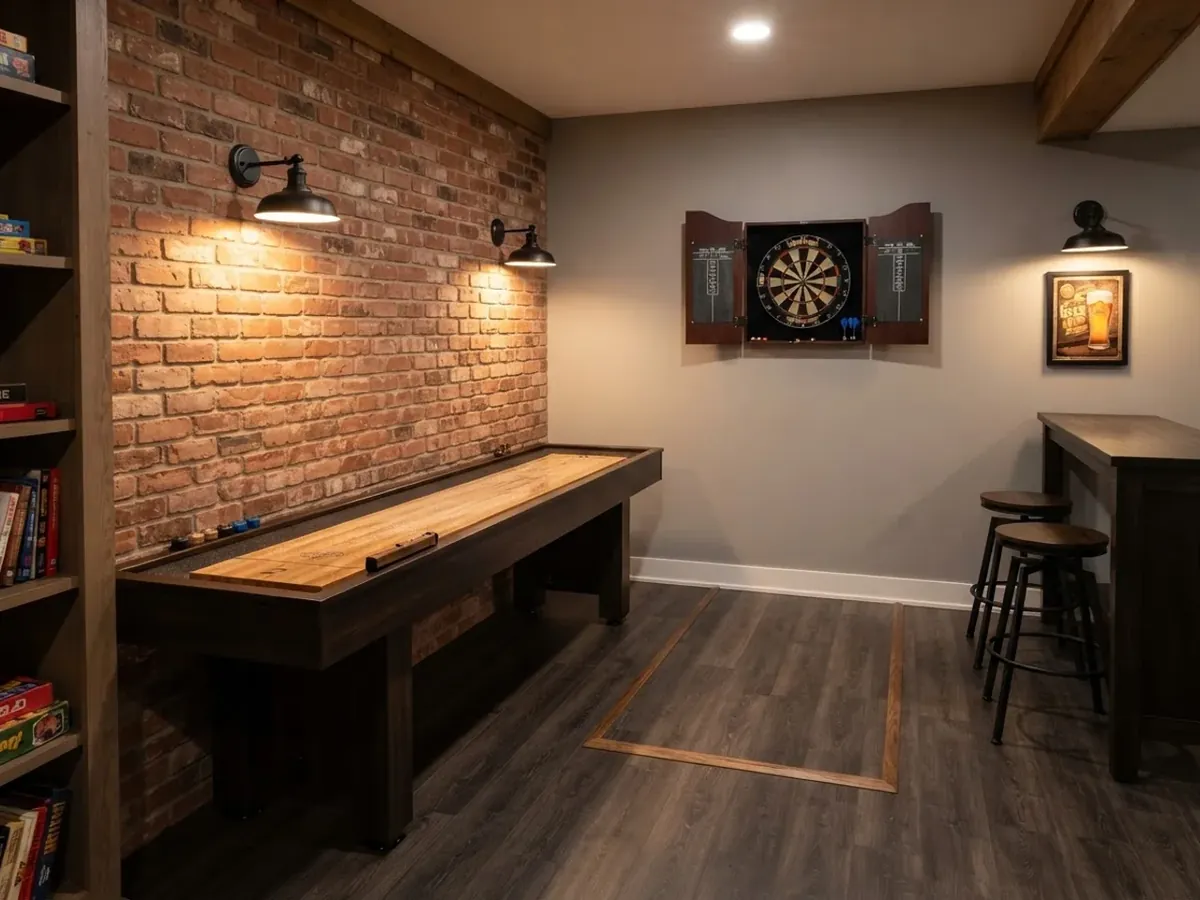
Thin stone or brick veneer, about 1 inch thick, glues to cement board and gives a basement the weight of real masonry without the cost or load. It works especially well around an electric or gas fireplace and on a bar front. Installed cost runs about $15 to $30 per sq ft for manufactured stone.
7.Panel a wall in wood for a cabin feel
Tongue-and-groove pine, cedar or reclaimed wood paneling makes a basement feel like a cabin. Install it over furring strips on the insulated wall, and seal the wood because basements run humid. Expect $4 to $12 per sq ft depending on the species. Run boards horizontally to make a narrow room feel wider.
8.Install washable wall panels in a playroom or gym
PVC or FRP panels clean with a wet rag and shrug off balls, dumbbells and markers. They come in white and wood-look finishes and install over drywall or furring. Expect about $2 to $5 per sq ft. A 4-foot wainscot of panels below painted drywall is a common, cost-effective mix.
9.Paint one dark accent wall
Deep navy, green or charcoal on one wall makes a basement feel cozy and hides where the wall meets an awkward soffit or post. Pick the wall opposite the stairs so it is the first thing you see. A gallon of good paint covers about 350 to 400 sq ft and costs $40 to $80.
10.Leave access where you need it
Before any finish goes up, mark every cleanout, valve and junction box and plan an access panel for each. A finished wall with a neat, paintable access door is far better than cutting into new drywall later. Also leave the area around the sump pit and the electrical panel open and reachable.
Frequently asked questions
What is the best way to finish basement walls?
Glue rigid foam insulation to the foundation and tape the seams, frame a 2x4 wall in front, and finish with mold-resistant drywall kept slightly off the slab. This keeps moisture from condensing inside the wall.
Can I paint concrete basement walls?
Yes. Clean the walls and apply a masonry or waterproofing paint. It brightens the space and handles minor dampness, but it will not stop active leaks.
How do I cover basement walls cheaply?
In unfinished rooms, masonry paint is the cheapest cover. In living spaces, drywall over insulated framing is usually the best value, around $2.50 to $4 per square foot installed.
Should I use a vapor barrier on basement walls?
Most building scientists recommend rigid foam against the concrete instead of a plastic sheet, because plastic can trap moisture inside the wall. Follow your local code and climate zone guidance.
More basement ideas
Not sure which idea fits your basement? Preview a few in the Basement Design app before you buy materials.